Taking Recruiting Functions From Service Providers to Trusted Advisors
About this Episode
In this episode of Offer Accepted, we explore what it really takes for recruiting leaders to operate as business leaders first. Adam Ward, Founding Partner at Growth by Design Talent and former recruiting leader at Facebook, Qualcomm, and Pinterest, shares the four traits that separate service providers from trusted advisors and how those traits can transform your influence, credibility, and team outcomes.
We dig into why respect scales faster than likability, how to turn data into a story that drives action, and why hiring goals must be co-owned by the business and recruiting. Adam also shares how to adapt your influencing style to different stakeholders, use curiosity to strengthen cross-functional relationships, and prepare your team for business shifts before they happen.
Packed with practical, real-world examples, this conversation is a playbook for talent leaders and individual contributors who want to build stronger partnerships, earn a voice in business decisions, and create lasting impact inside their organizations.
Topics
This Episode's Guest


Adam Ward
Founding Partner @ Growth by Design Talent
Adam Ward is the Founding Partner at Growth by Design Talent and a former recruiting leader at Qualcomm, Facebook, and Pinterest. He has scaled teams through IPOs and periods of hypergrowth, building recruiting functions that are tightly aligned with business goals. Today, Adam advises high-growth companies on hiring strategy, leadership, and building recruiting teams that operate as trusted advisors.
Takeaway 1
Respect Scales Faster Than Likability 🎯
Adam learned early that agreeing with stakeholders to stay liked is not the path to influence. Respect is built by bringing clarity, challenging assumptions, and staying grounded in your expertise, even when it is uncomfortable.
Why It Matters:
Recruiters who earn respect gain earlier access to information, more trust in their judgment, and stronger influence over decisions. That access trickles down, equipping their teams to be more prepared, engaged, and effective.
Quick Tips
- Know your strengths and growth areas. Understand the value you bring and where you tend to overcorrect under pressure so you can self-adjust.
- Adapt to others’ influencing styles. Identify whether a stakeholder responds best to rational (data-driven), social (rapport-based), or emotional (values-driven) arguments and tailor your approach accordingly.
- Model curiosity for your team. Show up eager to learn how other functions work, and your recruiters will follow suit, deepening cross-functional trust.
Takeaway 2
It’s not the data, it’s the story you tell 📊
Leading with numbers is not enough. Trusted advisors translate data into a visual, narrative-driven case that helps business leaders understand the “so what.”
Why It Matters:
Data earns you a seat at the table, but how you frame it determines whether leaders act on it. When you can show not only where gaps exist but also the solutions to close them, you shift from order-taker to strategic partner.
Quick Tips
- Visualize capacity gaps clearly. Pair headcount goals with charts that show current bandwidth, forecasted demand, and options for closing the gap.
- Pair every insight with a solution. Do not just flag a problem. Present 2–3 actionable paths forward that tie directly to business goals.
- Benchmark against the market. Tap into peer networks and industry data so your recommendations are grounded in external realities, not just internal history.
Takeaway 3
Hiring goals you don’t share, you don’t hit 🤝
When hiring goals live only with recruiting, you are operating as a service provider. Trusted advisors ensure those goals are co-owned by hiring leaders and recruiters.
Why It Matters:
Mutual ownership removes the “us vs. them” dynamic and aligns everyone around the same success metrics. It also keeps hiring treated as a core business objective, on par with revenue or product milestones.
Quick Tips
- Cascade hiring goals like any business target. Ensure they are measured and reported with the same cadence and visibility as other company priorities.
- Anchor accountability at the manager level. Define clear expectations for hiring managers’ role in process success, from prep to decision-making.
- Integrate progress into leadership reviews. Report hiring updates in the same forums where other key metrics are tracked to reinforce importance.
What Hiring Excellence Means to Adam
For Adam, Hiring Excellence is when recruiting is seen and treated as a business driver. It is about aligning deeply with leaders, making data-backed recommendations, and fostering an environment where recruiters are energized and informed. He believes excellence is achieved when respect and curiosity replace defensiveness, and when hiring goals are truly shared across the business.
Adam's Recruiting Hot Take 🔥
Great recruiting leaders know how they show up on their best and worst days, and they build teams that complement, not copy, their strengths. Adam challenges leaders to understand when they are overcorrecting under pressure and to surround themselves with diverse styles and skills that make the whole team stronger
Timestamps
(00:00) Introduction
(01:00) Meet Adam Ward
(02:44) Why stakeholder engagement sets teams apart
(04:15) Service provider versus trusted advisor
(07:28) The role of shared accountability
(09:53) Building relationships as a business leader
(12:05) How trusted leadership benefits recruiting teams
(15:43) Top challenges facing talent leaders
(20:52) Gaining influence by letting go of likability
(24:31) Managing your strengths without overcorrecting
(26:42) How to adapt your influence style to different stakeholders

Other Episodes

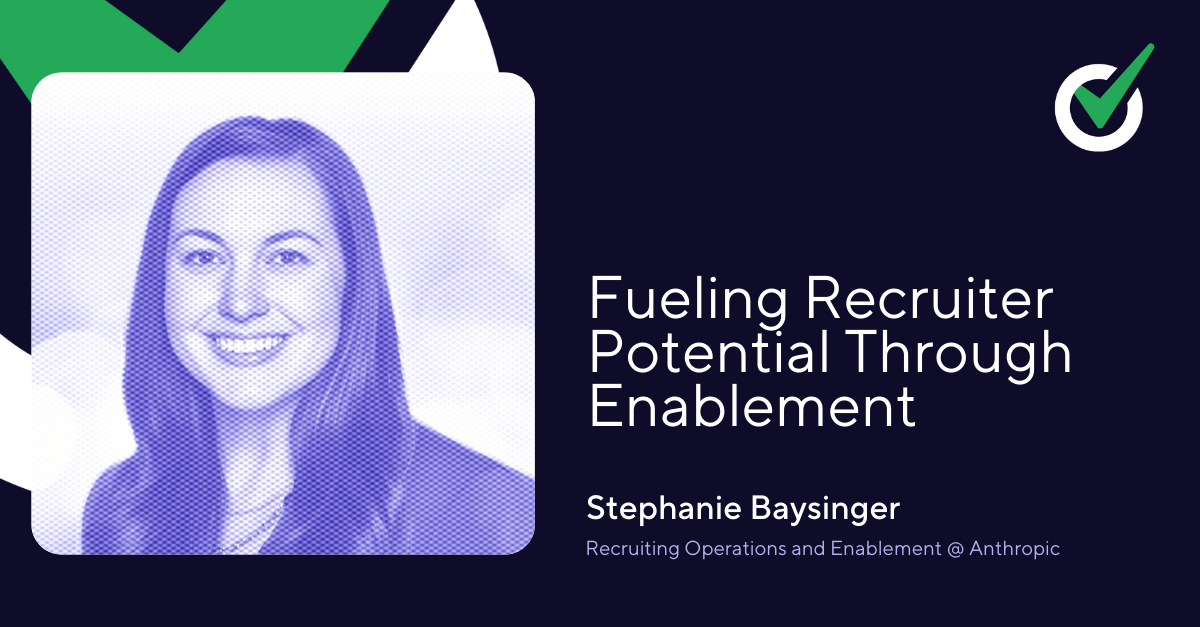
Fueling Recruiter Potential Through Enablement
Stephanie Baysinger shares how recruiting teams can boost efficiency without losing the personal touch. Learn how cross-functional collaboration, sales strategies, and true enablement helps teams thrive in today’s fast-paced talent landscape.
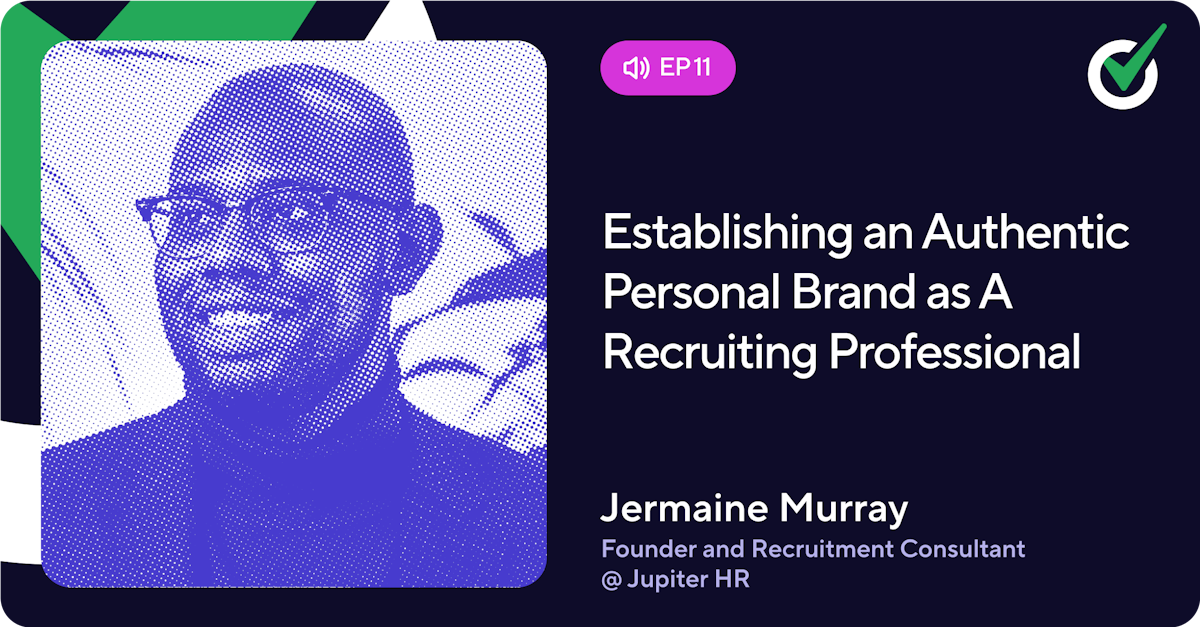
Establishing an Authentic Personal Brand as A Recruiting Professional
In this episode of Offer Accepted, Jermaine Murray, the Founder of JupiterHR, returns to discuss establishing an authentic personal brand with host Shannon Ogborn. Known as “the Jobfather," Jermaine's mission is to increase the representation of black talent within the tech industry. JupiterHR offers a wide range of services, from career coaching and recruitment to HR advisory consultation.

Join the Hiring Excellence movement
New episodes every month - subscribe here so you never miss out.